
A buyer and seller can agree on a price yet still distrust the moment when value changes hands.
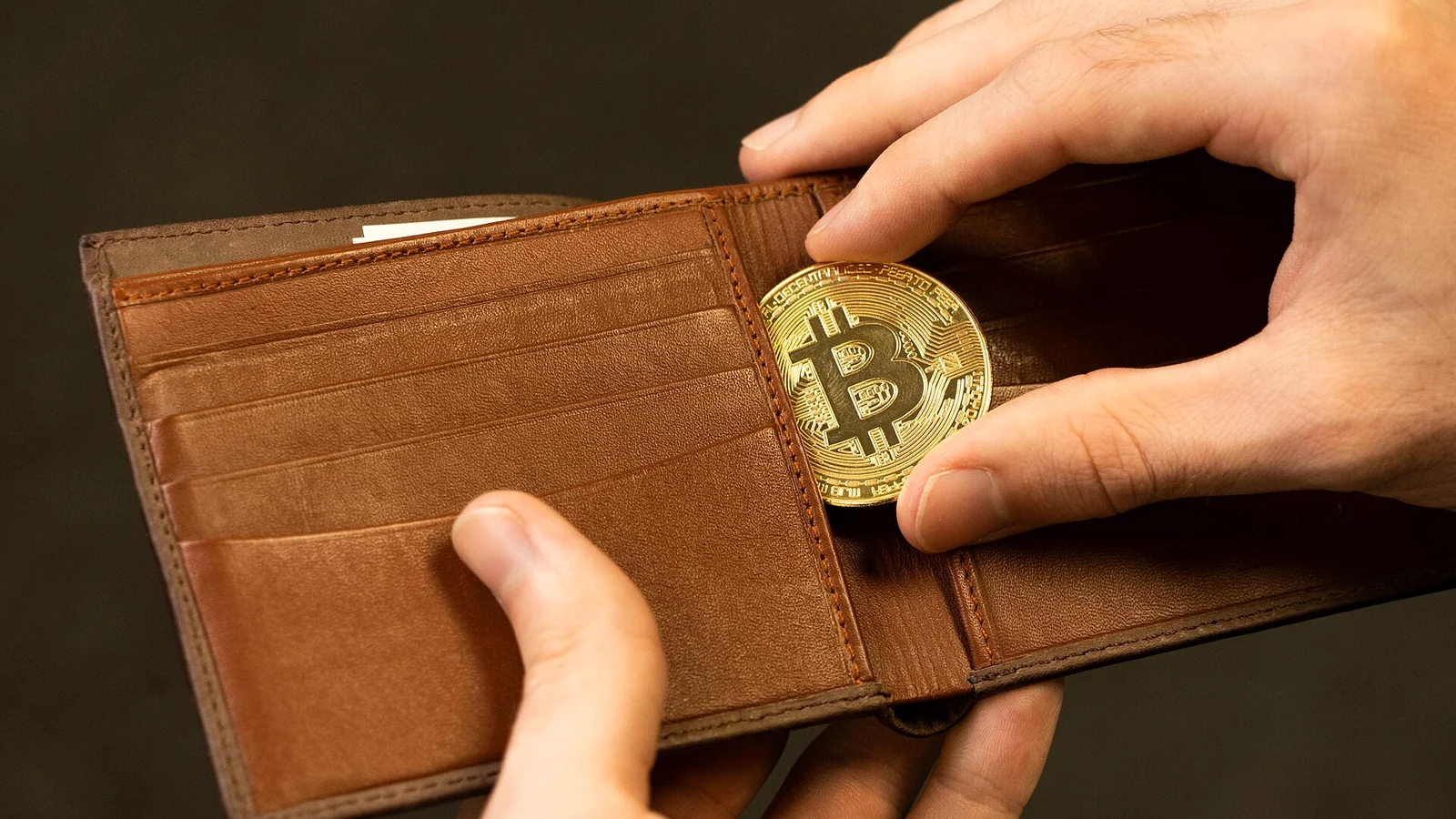
A physical wallet holding a coin provides a visual metaphor for custody while crypto is locked.
A practical issue involving escrow basics
Escrow addresses a narrow part of that problem by immobilizing the seller's asset while the buyer makes the agreed outside payment.
Responsibilities around payment order
The trading platform, not the person introducing the offer, must show that the cryptocurrency has been placed under its escrow process. Locking a balance does not guarantee that every bank instruction is correct or that a later chargeback is impossible. A P2P crypto agent cannot make outside payment instructions safe merely by displaying an escrow badge. Shiftal Coin explains the concept without acting as an escrow provider.
A focused example of escrow basics
Picture a seller who has locked a token under genuine platform escrow while the buyer receives an off-platform request for a different beneficiary. The coins may indeed be locked, yet the external bank route is no longer clearly linked to the order. Confirm the two systems independently before treating the escrow badge as sufficient protection.
Escrow protects a defined order, not every instruction
A legitimate escrow indicator is meaningful because it connects a specified asset amount with an authenticated marketplace order. It does not prove that a bank account introduced later by private message is authorized. The buyer should separate two questions: whether the seller's crypto is actually held under the platform's release conditions, and whether the proposed fiat transfer matches the instructions on that same order. Even genuine escrow cannot protect a payment sent to a destination the marketplace does not recognize. The safest evidence comes from the live account and order details rather than a screenshot of a lock icon.
Imagine a buyer opening a trade with locked funds and then receiving a request to pay a new beneficiary. The escrow screen may be real, but the second account is a new assertion. Compare both the recipient and payment method against the live order, and keep the original instructions. If the system itself has not authorized the change, do not assume that the token lock covers it. The more reliable alternative is to use the provider's own support or dispute workflow while the assets remain under the agreed controls.
Practical checks before proceeding
Confirm the live order's escrow indicator before making a payment. Read the release conditions and the dispute window, then verify the payment recipient separately. The order identifier should connect the amount and method to the same active transaction. Before deciding to release locked crypto, examine why payment screenshots cannot justify release and the difference between a receipt and a bank credit.
- Confirm the escrow amount and order reference within an independently opened session.
- Match the payment destination against that exact order before sending fiat.
- Read how the platform handles disputes or changes to settlement instructions.
The weak link in the process
A fake escrow badge on a copied webpage can be displayed without any tokens being held. Similarly, a seller can lose the protection of the platform by accepting instructions through private chat and releasing outside the agreed workflow.
An outcome worth documenting
Escrow is useful when the participants respect its boundaries. It cannot rescue a user who sends funds to an unrelated beneficiary or who treats a forwarded image as stronger evidence than a live account record.
#EscrowBasics #PaymentOrder #Counterparty